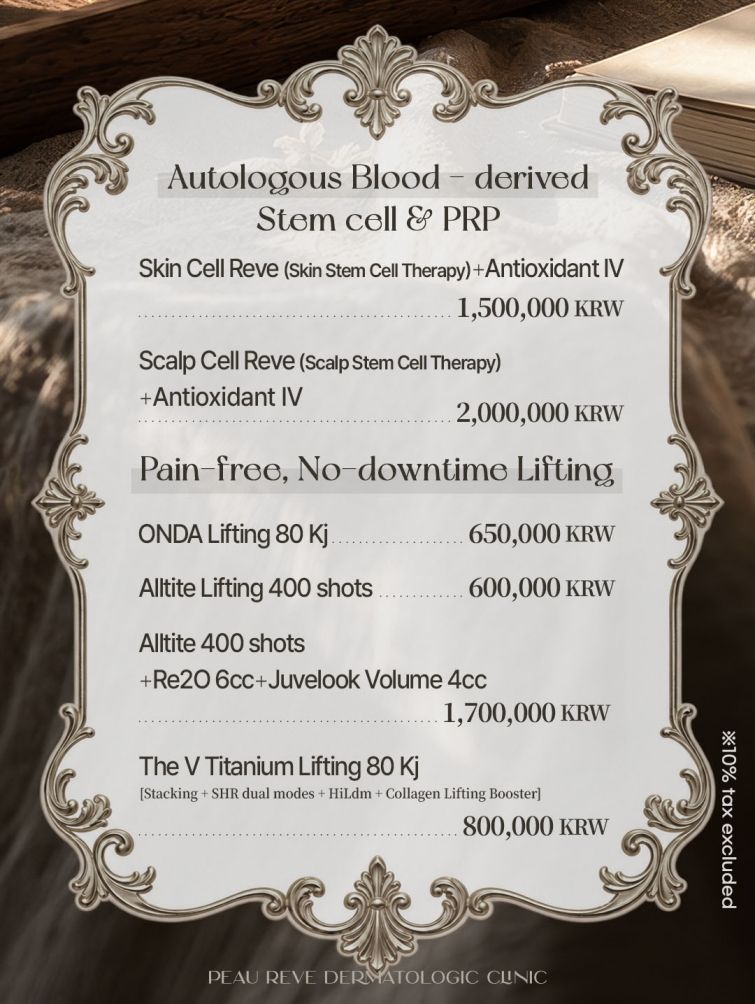
ONDA Lifting in Gangnam: What to Expect From Under-Chin Treatment

ONDA is a microwave-based body and face contouring device that is often discussed for softening localised fullness under the chin and along the jaw. In Gangnam, it is frequently mentioned alongside RF and ultrasound lifting as a non-surgical option for the lower face. Because it works differently from many familiar lifting devices, it is worth understanding what it targets, how a session feels and what kind of change is realistic. This guide walks through the under-chin treatment process from consultation to recovery.
At a glance
- Technology: focused microwave energy delivered through a cooled handpiece
- Main target: small pockets of subcutaneous fat and mild skin laxity under the chin
- Session length: often around twenty to forty minutes for the submental area
- Downtime: usually minimal; warmth, redness or mild swelling can occur
- Results: typically develop gradually over several weeks, sometimes with a course of sessions
How ONDA targets the under-chin area
ONDA uses microwave energy at a frequency designed to heat the fat layer beneath the skin while the surface is kept cool. The heat is intended to affect fat cells and stimulate the surrounding connective tissue, which may improve both contour and firmness. Unlike HIFU, it does not focus energy into tiny points; instead it heats a broader zone in a controlled sweep. The handpiece is moved continuously across the area to spread the energy evenly.
This makes ONDA most relevant for people with a modest amount of fullness under the chin rather than significant excess skin. If the main concern is loose skin with little fat, a clinician may suggest a tightening device instead. If there is a large volume of fat, surgical or injectable options may be discussed. Accurate assessment of what is causing the fullness is therefore the first step.
What happens during a session
A typical appointment starts with photographs and a discussion of your goals. The clinician will feel the area to judge how much is fat, how much is skin laxity and whether glands or muscle bands contribute to the shape. The treatment zone is then marked, and a coupling medium may be applied before the handpiece is moved across the skin.
- Assessment. The clinician examines the neck and jawline at rest and with movement to understand the cause of fullness.
- Marking. The area is outlined so energy stays within safe boundaries and away from sensitive structures.
- Energy delivery. The cooled handpiece glides over the skin in steady passes while the device monitors temperature.
- Comfort checks. Settings may be adjusted if any spot feels too hot.
- Aftercare. The skin is cleaned and simple aftercare advice is given before you leave.
Sensations and comfort
Most people describe a gradually building warmth, similar to a hot stone being moved across the skin. Some notice brief moments of more intense heat, especially over thinner skin or near the jawbone. Because the surface is cooled, the sensation is usually manageable without numbing cream, though comfort varies. Tell the practitioner straight away if the heat feels sharp or uncomfortable, as they can adjust the energy or speed.
Afterwards the area may feel warm, slightly tender or swollen for a few hours to a few days. Occasional side effects include temporary numbness, firm nodules or uneven areas, which usually settle but should be reported. Rarely, burns can occur if energy is poorly controlled, which is why device verification and clinician experience are important. People with implants, pregnancy, active skin conditions or certain medical histories need in-person screening.
Results, sessions and maintenance
Changes after ONDA are typically gradual. Many clinicians suggest reviewing the area after several weeks, as the body processes affected fat cells and the tissue settles. Some people are advised to have a short course of sessions spaced a few weeks apart, while others are happy after one. The visible difference is often described as a softer, more defined angle rather than a dramatic transformation.
Long-term results depend on lifestyle factors such as weight stability, as remaining fat cells can still enlarge with weight gain. Skin ageing also continues, so some people later combine ONDA with RF tightening or skin boosters. A good clinician will explain which part of your concern ONDA is likely to address and which it is not.
Questions worth asking at your consultation
- Is my under-chin fullness mainly fat, loose skin or a mix of both?
- Is the device a genuine ONDA system and who will perform the treatment?
- How many sessions do you think I would need, and how far apart?
- What side effects have you seen, and how would you manage them?
- Would another treatment suit my concern better than ONDA?
Planning around a trip to Gangnam
If you are travelling to Gangnam for treatment, try to book your consultation early in your stay. That gives time for any swelling or tenderness to settle and allows the clinic to check you before you leave. If a course of sessions is recommended, ask whether the spacing fits your travel plans or whether one session is reasonable on its own.
Keep in mind that the final result will develop after you return home. Ask the clinic how they handle follow-up questions and whether photos can be reviewed remotely. Set expectations around a gentle refinement, and avoid scheduling important photographs or events in the first few days after treatment.
Frequently asked questions
Is ONDA the same as fat freezing?
No. ONDA uses microwave heat, while fat freezing uses controlled cooling. Both aim to reduce localised fat, but the mechanism, sensations and suitability differ.
Will one session be enough?
Some people see a satisfying change after one session, while others are advised to have a short course. Your clinician will base this on the amount of fullness and how your tissue responds.
Can ONDA tighten loose skin?
It may offer some tightening, but it is mainly discussed for mild fullness. Where loose skin is the main concern, a dedicated tightening treatment may be suggested.
This article is for general information only and does not replace an in-person medical assessment. Suitability, settings and expected results should be discussed with a qualified clinician.