Stem Cell Aesthetic Consultations in Seoul: What to Ask About Treatment, Evidence, and Eligibility
Stem cell aesthetic treatments are frequently mentioned in Seoul, often in the context of skin rejuvenation, volume restoration or hair concerns. The term covers a wide range of procedures, products and claims, some supported by emerging research and others far less certain. Because the field is complex and regulations are strict, a careful consultation is essential before any decision. This guide explains the key questions to ask about what is being offered, the evidence behind it and whether you are eligible.
At a glance
- Broad term: stem cell aesthetics can refer to cell-based procedures, derived products or cosmetic ingredients
- Regulation: cell-based treatments are tightly regulated, and rules differ by procedure
- Evidence: research is ongoing, and the strength of evidence varies widely
- Eligibility: depends on health, goals, the procedure and regulatory requirements
- Key step: ask exactly what is being used, how and under which framework
What stem cell aesthetics can mean
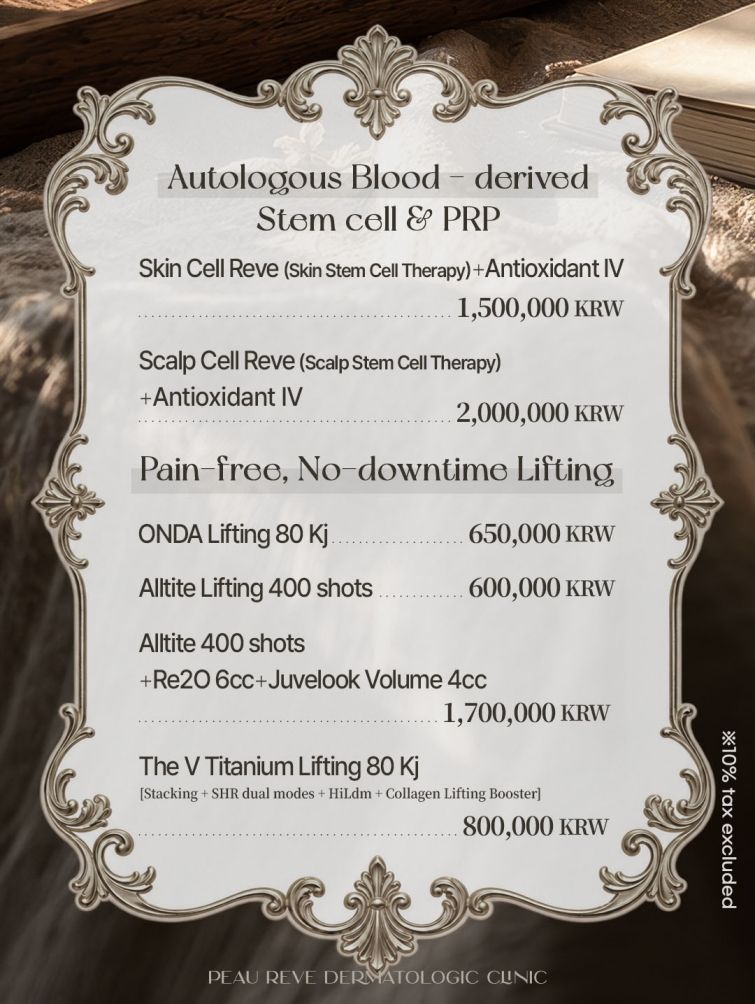
The phrase stem cell treatment is used loosely in aesthetic marketing. It may refer to procedures using cells harvested from your own fat tissue, to products derived from stem cell cultures, such as conditioned media or exosomes, or simply to skincare containing plant stem cell extracts. These are very different things, with different levels of evidence, risk and regulation. Understanding which one is being offered is the first and most important step.
Cell-based procedures involving the collection and reinjection of your own cells are generally subject to specific regulations, and not every clinic is permitted to perform them. Derived products and cosmetic ingredients are regulated differently. A trustworthy clinician will explain clearly which category the treatment belongs to and what that means for your safety and expectations. Vague or exaggerated claims should prompt further questions. Writing down the exact name of the product or procedure during the consultation makes it easier to research it independently afterwards.
Questions to ask about the treatment
Clear answers to the following questions can help you judge whether a treatment is appropriate and legitimate.
- What is used. Ask whether the treatment involves your own cells, a derived product or a cosmetic ingredient.
- How it is prepared. Find out how cells or products are collected, processed and tested.
- Regulatory status. Ask under which framework the treatment is offered and whether it is approved for this use.
- Who performs it. Clarify the qualifications of the person carrying out each step.
- What happens after. Ask about recovery, follow-up and how complications would be handled.
Understanding the evidence
Research on stem cells and their derivatives in aesthetics is active, but much of it is early-stage. Some studies suggest potential benefits for skin quality, wound healing or fat graft survival, while others are small, short-term or not directly comparable. It is reasonable to ask your clinician what evidence supports the specific treatment they recommend, rather than general claims about stem cells.
Be cautious of promises of dramatic rejuvenation, permanent results or cures for ageing. Honest clinicians will describe outcomes in ranges, acknowledge uncertainty and discuss alternatives with more established evidence. If a treatment is presented as experimental, ask whether it is part of a formal research study with appropriate oversight. Your safety should always come before novelty. It is perfectly reasonable to choose a well-established treatment with more modest promises over a newer one with bigger claims.
Eligibility and safety considerations
Not everyone is a suitable candidate for cell-based or derived treatments. Eligibility may depend on your overall health, medical history, medications and the specific procedure. Conditions such as active infection, certain cancers, autoimmune disease, bleeding disorders or pregnancy may rule out some treatments. A detailed medical review should be part of any consultation.
Procedures involving fat harvesting carry surgical risks such as bruising, swelling, infection and contour irregularities at the donor site. Injected products can cause lumps, inflammation or allergic reactions. Recovery varies widely depending on what is done. Make sure you understand the full process, including recovery time and follow-up requirements, before agreeing to treatment. If you have a doctor at home, consider sharing the proposed plan with them before you travel.
Questions worth asking at your consultation
- Exactly what is being used: my own cells, a derived product or an ingredient?
- Under which regulatory framework is this treatment offered?
- What evidence supports this treatment for my specific concern?
- Am I eligible given my health and medical history?
- What are the risks, recovery time and follow-up plan?
Planning around a trip to Seoul
If you are visiting Seoul and considering a stem cell-related treatment, allow time for a thorough consultation before making any decision. Some procedures involve multiple steps, such as harvesting and later reinjection, which may require several days or more. Do not feel pressured to commit on the same day, and take written information away to review.
Keep expectations measured. Research is promising in some areas but uncertain in others, and individual results vary. Ask for documentation of what was used and how, so you have a clear record for any future medical care at home. A consultation that ends with you deciding not to proceed is still a useful one.
Frequently asked questions
Are stem cell facials the same as stem cell treatments?
Not usually. Many facials use plant stem cell extracts or derived products, which are very different from procedures using your own cells.
Are stem cell treatments legal in Korea?
Some are permitted under specific regulations, while others are restricted. Ask the clinic how the treatment is regulated and approved.
Will results be permanent?
No aesthetic treatment stops ageing. Be wary of permanent or dramatic claims and ask for realistic, evidence-based expectations.
This article is for general information only and does not replace an in-person medical assessment. Suitability, settings and expected results should be discussed with a qualified clinician.