Thermage FLX in Seoul: What to Expect From a Full-Face Session

Thermage FLX is a monopolar radiofrequency (RF) treatment designed to tighten and smooth skin by heating the deeper layers of the dermis. A full-face session is one of the most commonly requested options for people visiting Seoul, but many first-timers are unsure what actually happens on the day. This guide walks through a typical appointment from consultation to aftercare so you know what to expect.
At a glance
- Technology: monopolar radiofrequency with built-in cooling and vibration
- Typical areas: full face, jawline, under the chin, around the eyes, neck
- Session length: around 60–90 minutes for a full face, including preparation
- Downtime: usually minimal; mild redness or swelling may last a few hours
- Results: gradual tightening over roughly two to six months
How Thermage FLX works
Radiofrequency energy creates controlled heat in the dermis and the fibrous connective tissue beneath it. That heat causes existing collagen fibres to contract and, over the following months, encourages the body to produce new collagen. The visible effect is usually described as firmer, smoother skin with a subtle improvement in contour rather than a dramatic lift.
The FLX generation includes a feature that reads the skin’s response with each pulse and adjusts energy delivery to keep it consistent. The treatment tip also cools the surface with a cryogen spray before, during and after each pulse, and adds light vibration to help with comfort. These features are meant to protect the outer skin while the deeper layers are heated.
It helps to think of Thermage as a skin-quality and firmness treatment rather than a volume or lifting tool. People with mild to moderate laxity, crepey texture or softening along the jawline are often the ones it is discussed for. If the main concern is hollowing or significant sagging, a consultation may point towards other options instead of, or alongside, RF.
Before the session: consultation and planning
A full-face plan usually starts with photos and an assessment of skin thickness, laxity and any areas of concern. The clinician will ask about medical history, including implants, pacemakers, pregnancy, recent injectables and skin conditions, because some of these can change what is suitable.
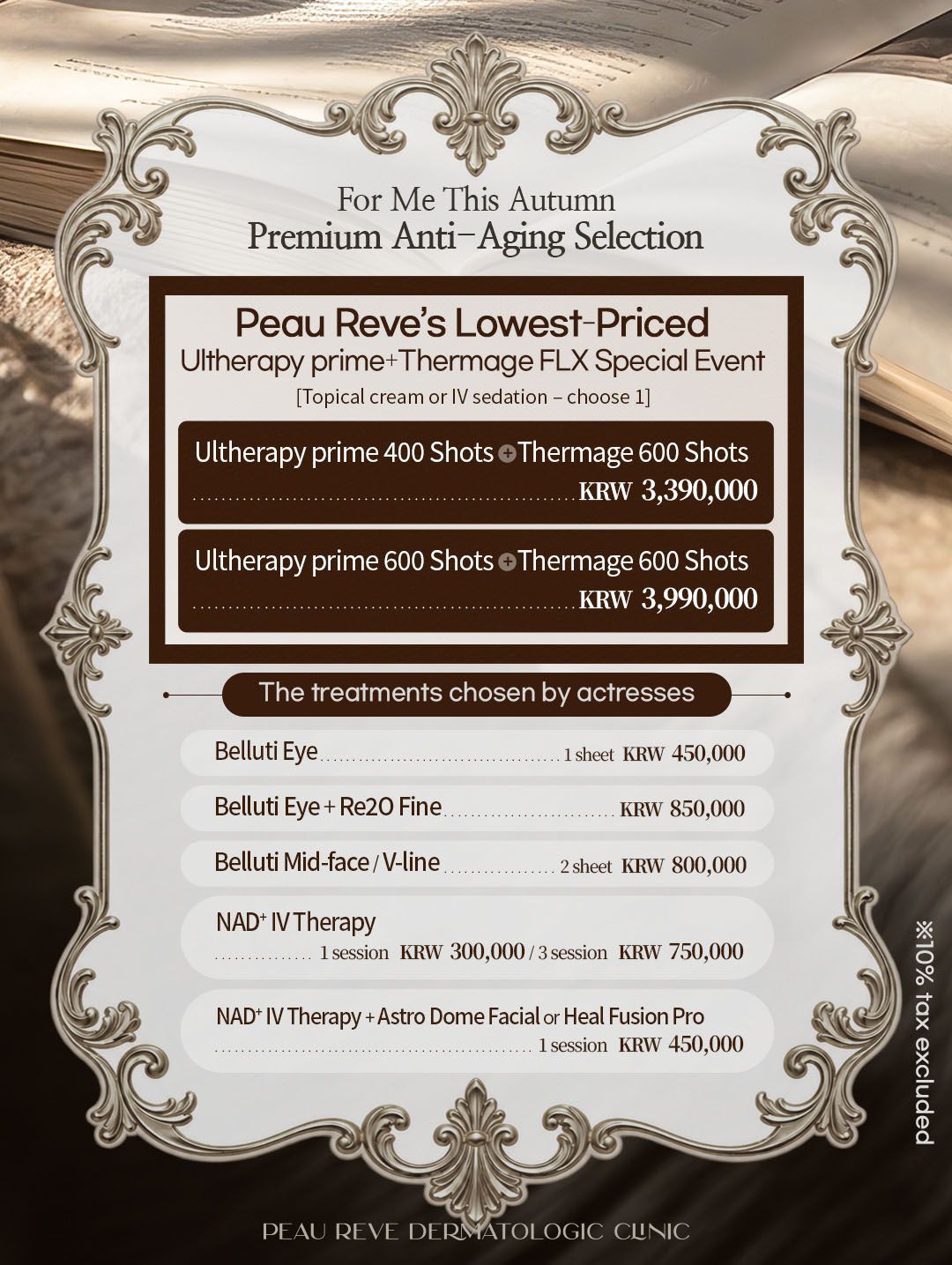
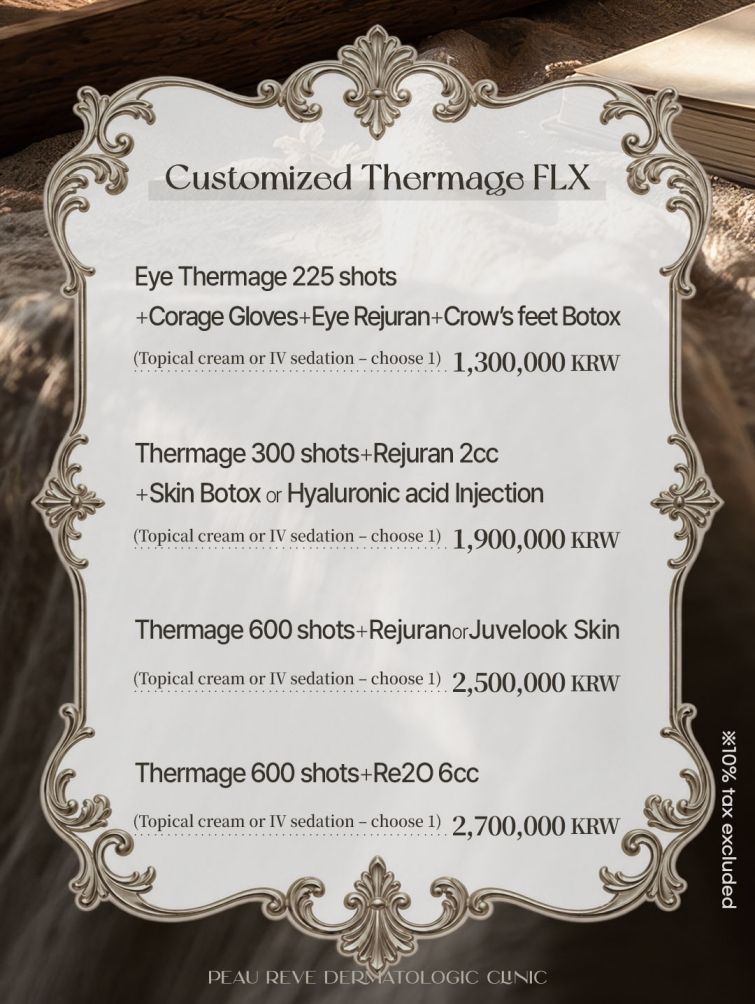
Planning then focuses on two things: which tip will be used and how many shots will be delivered. Larger tips are used across the cheeks, jawline and neck, while a smaller tip may be used around the eyes. Common packages are quoted by shot count — for example 600 or 900 shots — and the number chosen depends on the size of the treatment area and how many passes are planned.
What happens on the day
- Cleansing and marking. Makeup is removed and a temporary grid is often applied to the skin so shots can be placed evenly.
- Comfort measures. Depending on the clinic, a topical numbing cream may be used, although many sessions are carried out without it so that you can give feedback on heat levels.
- Treatment passes. The tip is placed on each square of the grid. You will feel a brief deep heat followed by cooling with each pulse. Several passes are usually made over the face, with extra attention to areas of laxity.
- Finishing. The grid is wiped away and a soothing product may be applied. You can usually leave straight away.
Heat sensation varies between people and between areas of the face. Bony areas such as the jawline and temples often feel more intense. Good communication matters: clinicians typically adjust settings if a pulse feels too hot, and you should always say so rather than trying to tolerate it.
After treatment
Mild redness, a feeling of warmth and slight swelling are common for a few hours. Some people notice small temporary bumps or tenderness. Rarely, blistering or changes in skin texture can occur, which is one reason experienced operators and genuine equipment matter. Most people return to normal activities, including makeup, the same or the next day.
Some immediate tightening may be visible, but the more meaningful change develops over several months as collagen remodels. Many clinicians suggest reviewing results at around three to six months. How long the effect lasts depends on age, skin condition, sun exposure and lifestyle.
Questions worth asking before you book
- Is the device a genuine Thermage FLX system, and is a new, sealed tip used for my treatment?
- How many shots are included, and how will they be divided between areas?
- Which tip will be used around the eyes, if that area is included?
- Who will perform the treatment, and what is their experience with this device?
- What should I avoid afterwards, and how will follow-up be arranged if I return home?
Planning around a trip to Seoul
Because downtime is usually short, Thermage FLX is often fitted into a short stay. Even so, it is sensible not to book it right before an important event or flight with no buffer. A day or two of margin allows any redness or swelling to settle and gives you time to contact the clinic if you have questions.
If you are combining it with other treatments, such as skin boosters or ultrasound lifting, ask about the order and spacing. Some combinations are done on the same day, while others are better separated. A clear written plan helps you compare quotes and keeps expectations realistic.
Frequently asked questions
Does Thermage FLX hurt?
Most people describe brief, deep heat with each pulse. Cooling and vibration help, and settings can be adjusted. Tolerance varies from person to person.
Is one session enough?
Thermage is usually performed as a single session, with maintenance discussed later depending on how your skin responds and changes over time.
Can it be combined with injectables?
Often yes, but timing matters. Tell your clinician about any recent fillers or toxin so they can plan safely.
This article is for general information only and does not replace an in-person medical assessment. Suitability, settings and expected results should be discussed with a qualified clinician.