Ulthermage in Seoul: How Ultrasound and RF Are Combined in One Treatment Plan

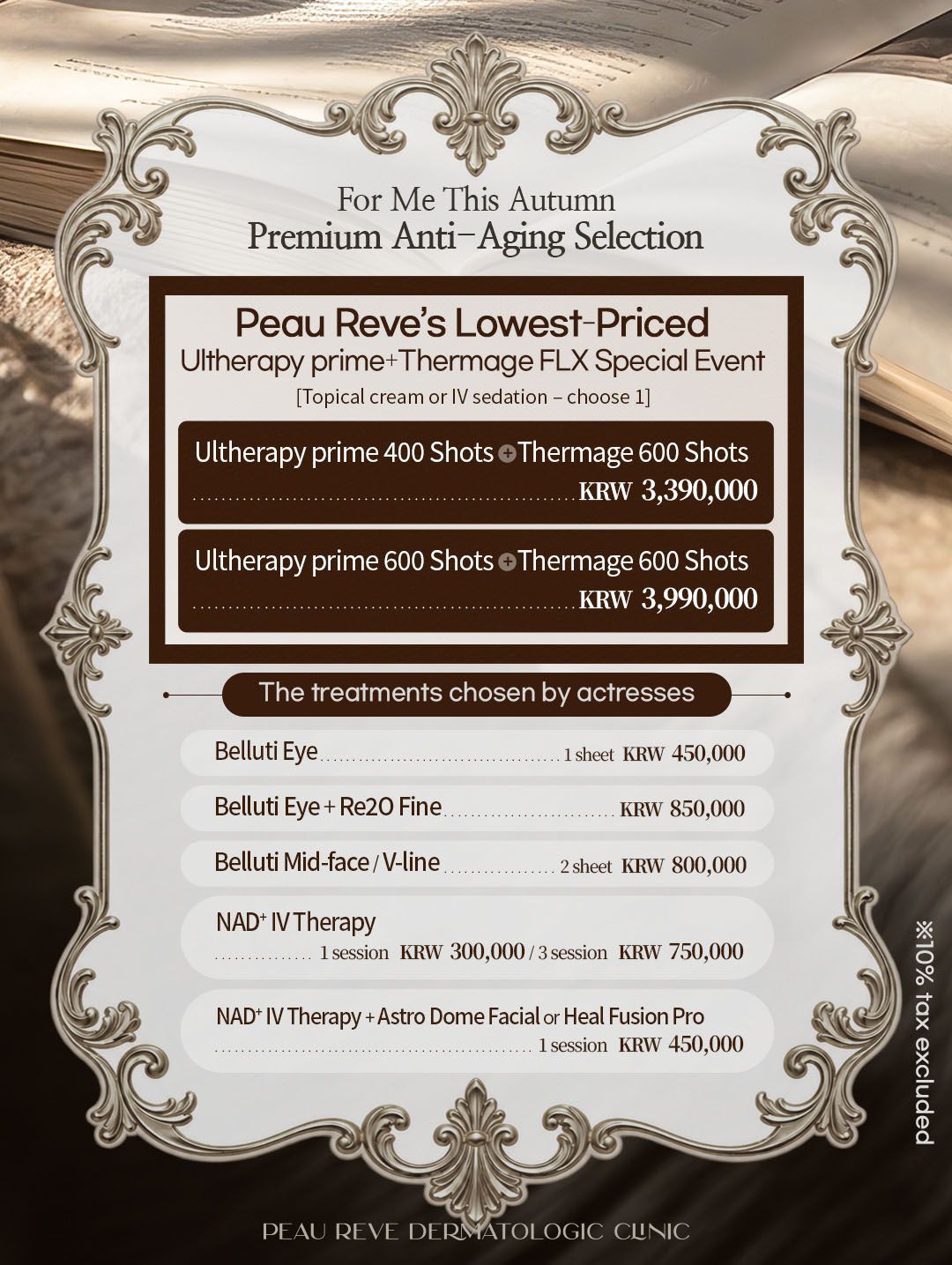
Ulthermage is the informal name used in many Seoul clinics for combining Ultherapy, a micro-focused ultrasound treatment, with Thermage, a monopolar radiofrequency treatment, in a single plan. The idea is that each technology works at a different depth, so together they may address both deeper support and surface skin quality. Combining two well-known devices can sound appealing, but it also raises questions about sequencing, comfort, recovery and whether both are really needed. This guide explains how clinicians usually think about pairing ultrasound and RF and what you should ask before agreeing to a combined session.
At a glance
- Components: micro-focused ultrasound (Ultherapy) plus monopolar RF (Thermage)
- Rationale: ultrasound targets deeper supportive layers; RF heats the dermis more broadly
- Typical order: often ultrasound first, then RF, though protocols differ
- Downtime: usually modest; tenderness, swelling or redness for a few days
- Results: develop gradually over two to six months as collagen remodels
Why combine ultrasound and RF?
Micro-focused ultrasound concentrates energy into tiny points at specific depths, including the firm supportive layer that sits beneath the fat. This is the layer often associated with lifting along the jawline and brow. Monopolar RF, by contrast, heats a broader volume of tissue closer to the surface, which is commonly linked with tightening, smoother texture and improved firmness of the skin itself. Because the two act on different layers, some clinicians see them as complementary rather than overlapping.
The combination is usually considered for people with mild to moderate laxity who also have concerns about skin quality, such as crepey texture or loss of firmness. It is not automatically better than a single treatment. For some people, one device alone may be enough, and adding the second simply increases cost, time and discomfort without much extra benefit. The decision should come from assessment rather than from a package menu.
How a combined plan is built
Clinicians typically begin by deciding which concerns are most important and which layers are involved. They then plan each device separately before considering how to fit them together in one visit.
- Assessment. The face and neck are examined for laxity, tissue thickness, fat distribution and skin quality.
- Prioritising. The clinician identifies whether lifting, tightening or texture is the main goal.
- Ultrasound planning. Depths and line counts are chosen for each zone, often using real-time imaging to guide placement.
- RF planning. Tip size and shot count are selected to cover the surface evenly.
- Sequencing. The order and timing of the two treatments are agreed, sometimes on the same day and sometimes weeks apart.
Sequencing and timing
Many clinics perform ultrasound first and RF second during the same appointment. The reasoning offered is that deep structural work is done before the broader surface heating, although there is no single universally agreed protocol. Some clinicians prefer to separate the treatments by several weeks so that each can be assessed on its own and the skin has time to recover. Both approaches can be reasonable, and the choice often depends on your schedule and tolerance.
Doing both in one visit is convenient, especially for travellers, but it makes for a longer and more intense session. Discomfort is cumulative, so numbing cream and breaks may be needed. Splitting the treatments can make each one more comfortable and allows the clinician to adjust the second treatment based on how you responded to the first. Ask which approach your clinician favours and why.
Sensations, recovery and side effects
Ultrasound is commonly described as deep, brief pinches or aches, particularly over bone. RF tends to feel like quick pulses of heat with cooling in between. When the two are combined, the session can last from one to two hours depending on the areas involved. Most people tolerate it with topical anaesthetic, though comfort varies a great deal.
Afterwards, redness, swelling and tenderness are common and usually settle within a few days. Some people notice temporary numbness, tingling or bruising along the jawline. Rare complications include nerve irritation, small burns or fat loss in thin areas. These risks underline the importance of genuine devices, authentic consumables and an experienced practitioner. People who are pregnant, have implanted devices or certain medical conditions require careful screening.
Questions worth asking at your consultation
- Do I genuinely need both treatments, or would one be enough?
- Are both devices genuine, with authentic tips and transducers?
- In what order will the treatments be done, and on the same day or separately?
- How many lines and shots are planned for each device?
- What results timeline and follow-up do you recommend?
Planning around a trip to Seoul
If you are visiting Seoul for a combined treatment, try to book it early in your stay. This gives time for swelling to settle and for the clinic to see you again if needed. If the clinician suggests separating the two treatments, check whether your travel dates allow enough time between sessions or whether a future visit would be more sensible.
Because results develop gradually, most of the improvement will appear after you return home. Ask how follow-up will be handled at a distance and whether photographs can be compared remotely. Keep expectations realistic: a combined plan can offer a natural-looking improvement, but it is not a replacement for surgery when laxity is significant.
Frequently asked questions
Is Ulthermage more effective than either treatment alone?
It may be for some people whose concerns span both deep laxity and skin quality. For others, a single device may give a similar benefit with less time and discomfort.
Is the combined session very painful?
It can be more uncomfortable than a single treatment because the sensations add up. Numbing cream, breaks and adjusted settings usually make it manageable.
How often is a combined plan repeated?
Many clinicians discuss repeating treatment roughly once a year, but the interval depends on how your skin responds and your goals.
This article is for general information only and does not replace an in-person medical assessment. Suitability, settings and expected results should be discussed with a qualified clinician.